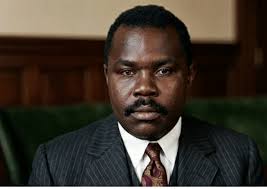
Marcus Garvey pictures
Marcus Garvey: A Visionary of Black Pride and Unity
Marcus Garvey was one of the most influential Black nationalist leaders of the twentieth century. Born on August 17, 1887, in St. Ann’s Bay, Jamaica, Garvey became a powerful advocate for Black pride, economic independence, and the global unity of people of African descent. His ideas inspired millions across the world and laid the foundation for later civil rights and Pan-African movements.
Garvey grew up in a modest household and developed a love for reading at a young age. As a young man, he traveled throughout Central America and Europe, where he witnessed the widespread discrimination and inequality faced by Black people. These experiences shaped his belief that people of African ancestry needed to unite and build their own political and economic power.
In 1914, Garvey founded the Universal Negro Improvement Association (UNIA) in Jamaica. The organization’s goal was to uplift Black communities worldwide through education, business ownership, and racial pride. Two years later, Garvey moved to the United States and established the UNIA headquarters in Harlem, New York. Under his leadership, the organization grew rapidly and became one of the largest mass movements in Black history, with millions of supporters around the world.
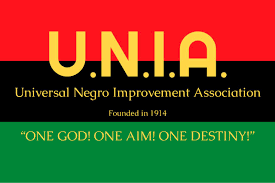
Garvey promoted the idea that Black people should take pride in their African heritage and reject the racism and oppression imposed by colonial societies. His famous slogan, “One God! One Aim! One Destiny!” became a rallying cry for his followers. He encouraged African descendants to create their own businesses, newspapers, and institutions rather than depend on white-controlled systems.
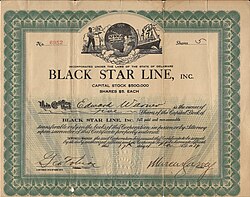
One of Garvey’s most ambitious projects was the Black Star Line, a shipping company founded in 1919. The company aimed to promote trade among Black communities globally and symbolize Black economic independence. Although the business eventually failed because of financial problems and mismanagement, it remained an important symbol of Black empowerment and self-determination.
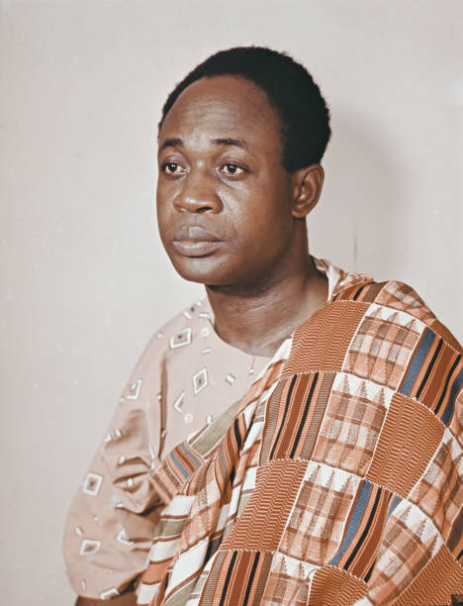
Garvey was also a strong supporter of Pan-Africanism, the belief that all people of African descent share common interests and should work together for freedom and equality. His speeches and writings inspired future leaders such as Kwame Nkrumah, Malcolm X, and Nelson Mandela. Many historians consider Garvey a pioneer of modern Black consciousness movements.
Despite his popularity, Garvey faced criticism and legal troubles. In 1923, he was convicted of mail fraud related to the Black Star Line and sentenced to prison. Many supporters believed the charges were politically motivated because of his growing influence. After serving part of his sentence, Garvey was deported to Jamaica in 1927. He later lived in London, where he continued writing and speaking until his death on June 10, 1940.
Today, Marcus Garvey is remembered as a bold and visionary leader who encouraged Black people around the world to embrace their identity, demand equality, and strive for independence. His message of pride, unity, and self-reliance continues to influence social justice movements and discussions about race and identity in the modern world.
His story reflects the spirit of Ọkacha: leadership, courage, vision, and excellence that transforms generations. Because true greatness is measured not only by power, but by the freedom and hope left behind for others.
About the Author